Netherlands Key Information
Documents and Legal Basics
The Netherlands issues residence permits for various purposes:
Single Permit GVVA – combined residence and work permit for most non-EU workers)
EU Blue Card (for highly qualified workers)
Permanent residence permit (after 5 years of continuous legal stay)
Main authority responsible for immigration:
Registration Requirement
Non-EU citizens who plan to stay in the Netherlands for more than 90 days usually need:
A provisional residence permit (MVV) issued by a Dutch embassy or consulate (for many nationalities), before entering the country.
After arrival, they must collect their residence permit from the IND.
All residents (EU and non-EU) must register their address at the local municipality (Gemeente) where they live.
Registration must be done within 5 days after arrival. After registration, the migrant receives a BSN (citizen service number), which is essential for work, banking, healthcare, and taxes.
EU/EEA/Swiss citizens do not need a residence permit but must still register with the municipality for stays longer than 4 months.
Work Permits & Legal Work
Main work permit categories include:
Highly Skilled Migrant (Kennismigrant)
Seasonal or temporary worker
Highly Skilled Migrant permits are subject to salary thresholds set annually by the government.
Banking and Money
Main popular banks:
ING Bank - strong digital services.
ABN AMRO – popular with internationals and expats.
Rabobank – large cooperative bank with many branches.
Online / Mobile / Neo-Banks:
Revolut works in the Netherlands.
Wise is commonly used and offers NL IBANs.
Bunq – Dutch online bank popular among migrants and expats.
Common Requirements to Open a Bank Account:
Passport or ID
Dutch residence permit (if non-EU)
Registered address in the Netherlands
Most Dutch banks require BSN before opening a standard account.
SIM Cards and Internet
Main Mobile Operators: KPN & Vodafone Netherlands & Odido (formerly T-Mobile NL)
Where to Buy SIM Cards:
Official operator stores
Electronics stores
Supermarkets (Albert Heijn, Jumbo, Lidl)
Prepaid vs Contract
Prepaid: Easy to buy, flexible, suitable for short stays and newcomers.
Contract: Cheaper long-term, usually requires a BSN, a residence permit, and a registered address.
An ID is required to register a SIM card.
Housing Basics
Useful websites and platforms: funda.nl & pararius.com & kamernet.nl
Facebook housing groups (e.g. “Apartments for Rent Amsterdam”)
Tips:
Housing shortages are severe, especially in large cities.
Always view the property in person or via official agency.
Avoid paying deposits before signing a contract.
Check whether registration at the address is allowed (mandatory for BSN).
Common Scams to Avoid:
Offers on social media with pressure to pay quickly
Fake landlords claiming to be abroad
Refusal to allow registration at the address
Public Transport
Public transport in the Netherlands is extensive and reliable: Trains & Buses & Trams & Metro (in major cities)
Transport Apps and Tools:
9292 – public transport planner
Google Maps – works well nationwide
Tickets & Passes:
OV-chipkaart (public transport card) – used nationwide
Single trips and subscriptions available
Monthly transport costs vary widely depending on usage and city
Tickets can be purchased online, via apps, at stations, or vending machines.
Healthcare
Public and Private Systems:
The Netherlands has a mandatory private health insurance system, regulated by the state.
Healthcare providers are private, but insurance is compulsory and standardized.
All residents (including non-EU migrants) must obtain Dutch health insurance within 4 months of registration.
With insurance, residents have access to public healthcare services via general practitioners (GPs).
Health Insurance Cost (Approximate):
Mandatory health insurance costs approximately €130–€160 per month.
Low-income residents may qualify for healthcare allowance (zorgtoeslag).
EU citizens can temporarily use EHIC, but long-term residents must switch to Dutch insurance.
Emergency Number: 112
Work Basics
Useful job search platforms: EURES – European Job Mobility Portal & Indeed Netherlands & LinkedIn Netherlands & Glassdoor Netherlands
Minimum Wage & Worker Rights
The Netherlands has a statutory minimum wage adjusted twice a year.
Workers are protected by Dutch labour law, including:
Written employment contracts
Maximum working hours
Paid annual leave
Strong employee protection and social security
Language and Support
Useful organisations supporting migrants:
Official Authority Links:
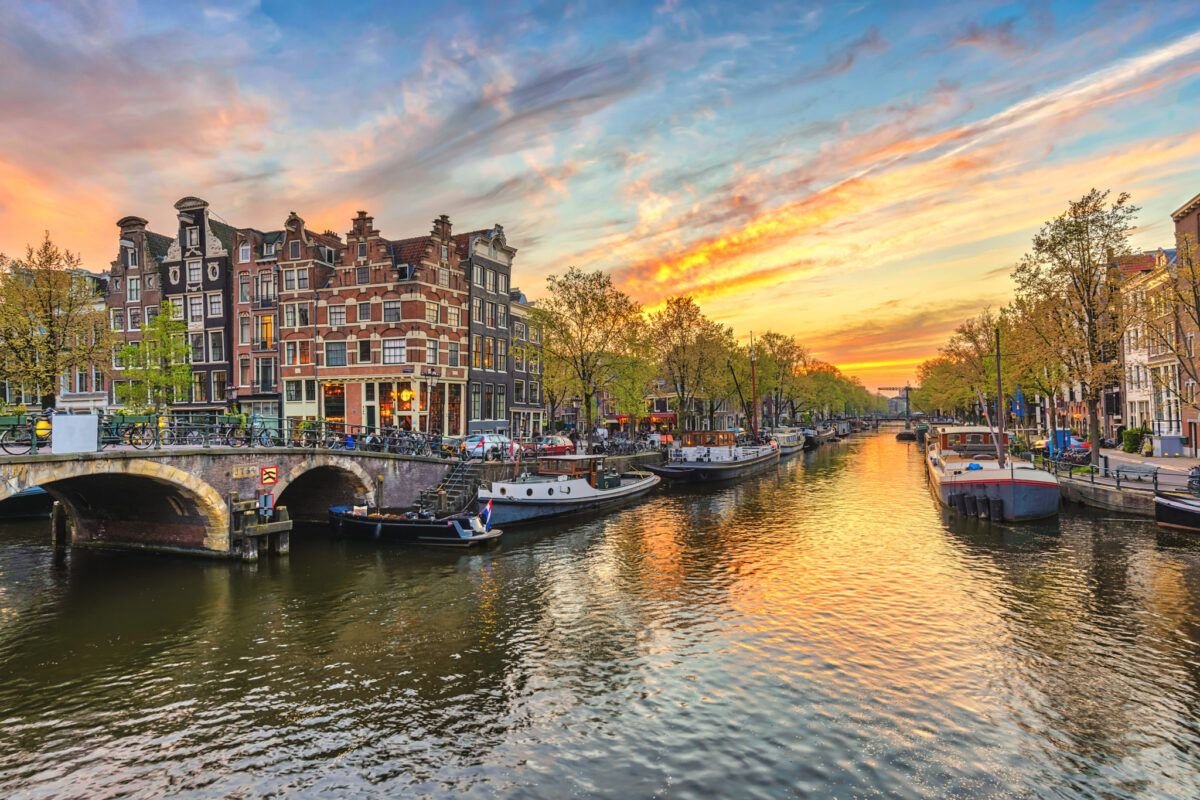
The Netherlands is a Western European country known for its maritime history, trade, and long tradition of openness to the world. During the 17th century, the Dutch Golden Age, it became a major center of commerce, science, and art. The country later experienced occupation during World War II before rebuilding into a stable constitutional monarchy and parliamentary democracy. The Netherlands is a founding member of the European Union and hosts several international institutions in The Hague.
Dutch culture is closely connected to water management, cycling, and urban planning, with canals, windmills, and flat landscapes defining much of the country’s character. The Netherlands is known for its contributions to art, including painters like Rembrandt and Van Gogh, as well as its emphasis on tolerance, social welfare, and direct communication. Today, it blends historic heritage with a modern, internationally oriented society.