Ireland Key Information
Documents & legal basics
Types of residence permits: stamp 0 (independent), stamp 1-1G (employment), stamp 2-2A (students), stamp 3 (volunteers, family members). Citizens Information
Registration requirement: Non-EEA nationals must register here
Work permission basics (documents, etc): must have a permit from DETE
Website with additional info: Click Here
Banking & money
Most popular banks: "Big Three" Allied Irish Banks (AIB), Bank of Ireland (BOI), and Permanent TSB (PTSB)
Online banks commonly used: Revolut and N26
Basic requirements to open an account: Citizen Information
SIM cards & internet
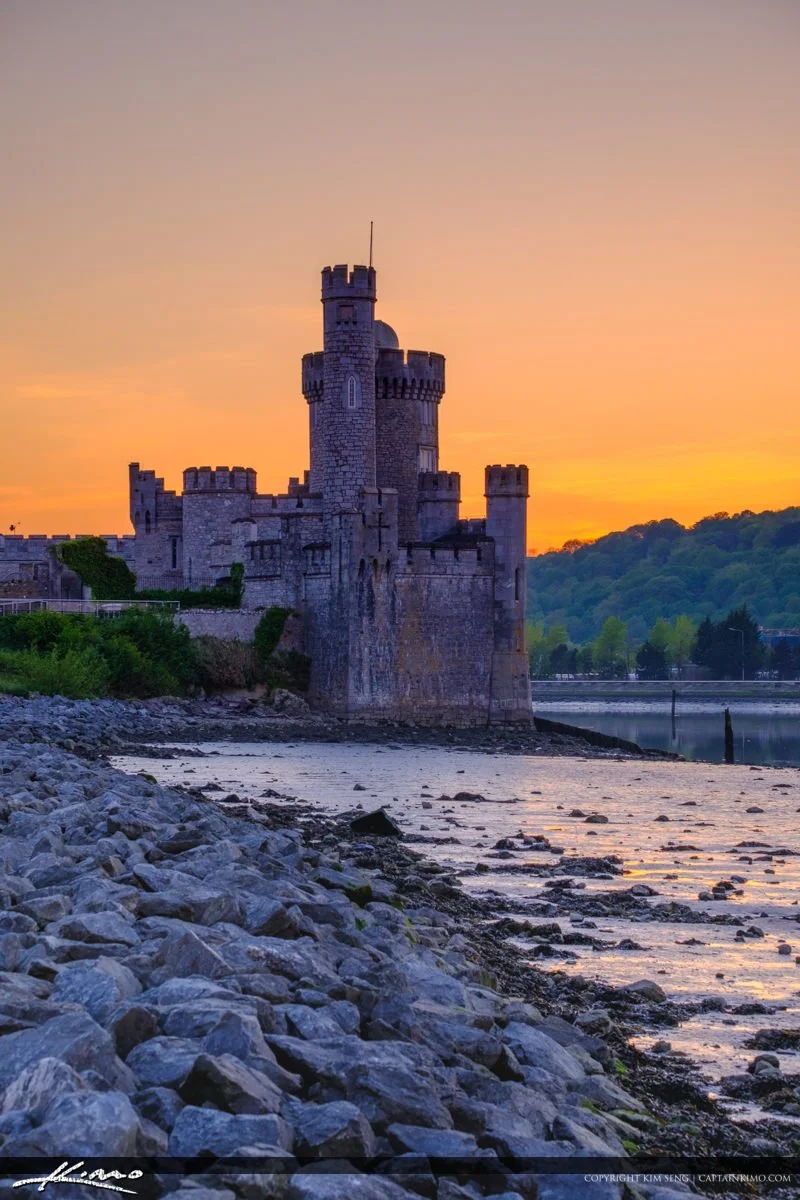
Ireland is a Western European island nation whose history has been shaped by ancient Celtic heritage, centuries of British rule, and a long struggle for political independence. For much of its past, Ireland was governed by Britain, a period marked by cultural suppression, economic hardship, and major events such as the Great Famine in the mid-19th century, which caused mass death and forced millions to emigrate. In 1922, most of the island achieved independence, while Northern Ireland remained part of the United Kingdom. Over time, Ireland developed into a stable democratic republic and joined the European Union in 1973, a step that played a major role in its economic modernization and international integration.
Irish culture is deeply rooted in storytelling, literature, music, and a strong sense of community. The Irish language (Gaeilge), although spoken daily by a minority, remains an important symbol of national identity and is promoted through education and media. Traditional folk music, dance, and festivals continue to shape cultural life, while Ireland has also produced globally influential writers, poets, and artists. The country’s landscape—characterized by green fields, rugged coastlines, cliffs, and historic towns—has strongly influenced both its culture and its global image.
Today, Ireland is known for successfully blending tradition with modernity. It has a highly educated population, a strong presence of multinational companies, and an open, globally connected economy, particularly in technology and pharmaceuticals. At the same time, Irish society places value on heritage, social ties, and cultural continuity. Modern Ireland presents itself as a country that honors its past while actively engaging with the world, balancing a distinct national identity with a forward-looking and inclusive outlook.
Housing basics
Average rent range price: over 2000 EUR per month
Common scams to avoid: Read Me
Public transport
Main transport providers: Bus Átha Cliath (Dublin Bus), Bus Éireann, and Iarnród Éireann (Irish Rail
Main types of transport: buses (Bus Éireann, Dublin Bus, Coach services), rail (Iarnród Éireann, DART), and trams (Luas in Dublin)
One-time/monthly travel passes - prices: single ticket - 0,65 - 2EUR, 30 days - 96-200 EUR. Unlimited travel for tourists on city buses, Luas, and DART in Dublin. Click Here
Healthcare basics
Public or private system: Both
Insurance requirement (also price if applicable): required for non-EEA. Visas require insurance covering at least 25000 EUR.
Emergency number: 112 or 999
Work basics
Main job search platforms: Indeed, IrishJobs, LinkedIn, and Jobs
Minimum wage: 14,15 EUR per hour for employees 20+
Basic employee rights: Employment Rights
Language & support
Official language(s): Ireland, English
Free language courses: Future Learn & Gaeil Geoir
- NGOs / support organisations: Flac