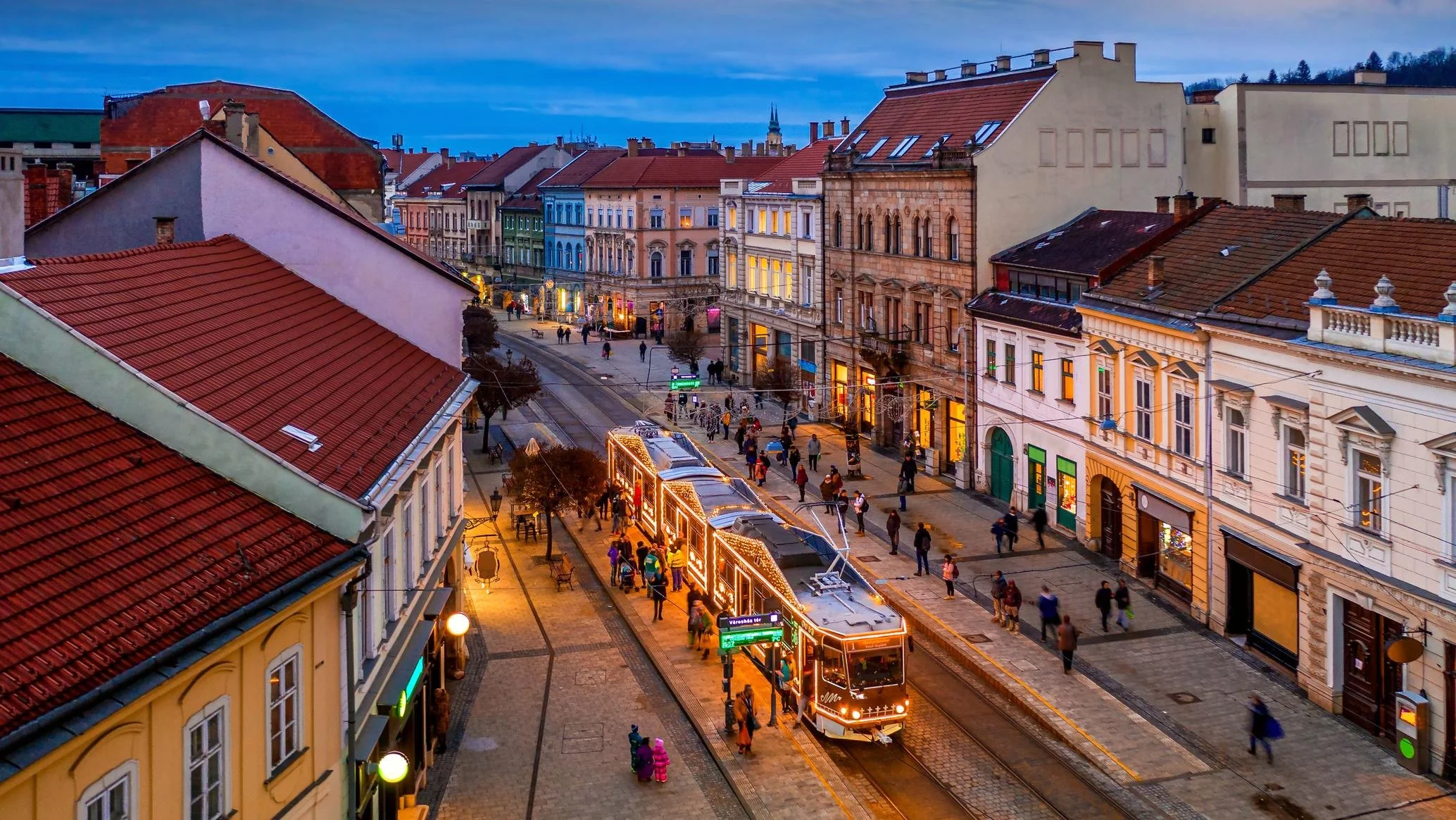
Hungary Key Information
Documents & Legal Basics
Part of the Schengen Area (90 days within 180 days for short stay)
Immigration handled by the National Directorate-General for Aliens Policing (NDGAP)
Official immigration portal (applications & appointments): https://enterhungary.gov.hu/eh/
Information pages for foreigners: https://oif.gov.hu/
Types of stay:
Schengen visa / visa-free stay
Temporary residence permit (work, study, family, research, business)
EU Blue Card (highly qualified workers)
National/permanent residence after long legal stay
After moving in, you must register your address and obtain an address card (lakcímkártya) at the local government office (kormányablak)
Work & Residence Permits
Combined residence + work permit for employment (submitted via Enter Hungary)
https://enterhungary.gov.hu/eh/EU Blue Card details: https://oif.gov.hu/
Labour law & employee rights: Ministry portal https://www.kormany.hu/en
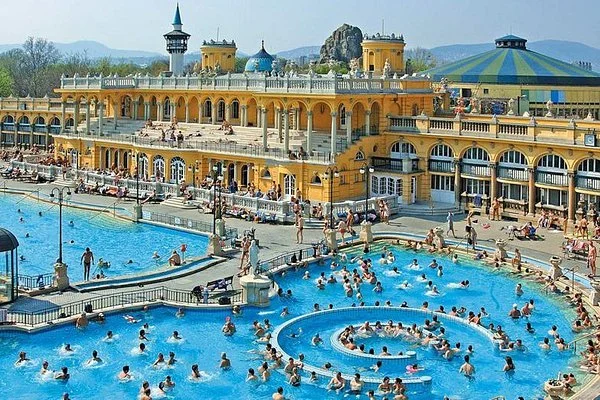
Public Transport
Budapest transport (metro, tram, bus): https://bkk.hu/en/
National trains: https://www.mavcsoport.hu/en
Regional buses: https://www.volanbusz.hu/en
Mobile tickets and passes available via BKK app
Healthcare Basics
Public health insurance via NEAK: https://www.neak.gov.hu/
After employment you receive a TAJ number (health & social security ID)
Without employment, private insurance or an EHIC needed
Emergency number: 112 (Ambulance 104)
Work Basics
Job platforms: Profession & Cvonline & Jobline & EURES
Language & Support
Official language: Hungarian (important for administration)
Migrant support NGO: https://menedek.hu/
General citizen services: https://magyarorszag.hu/
Hungary is a Central European country whose history has been shaped by powerful kingdoms, foreign empires, and major political transformations. For centuries, Hungary was a significant kingdom in Europe and later became one half of the Austro-Hungarian Empire, a major political and cultural force until its collapse after World War I. The 20th century brought profound upheaval, including Nazi occupation during World War II and subsequent decades of communist rule under Soviet influence. These experiences deeply affected Hungarian society, politics, and national memory. In 1989, Hungary underwent a peaceful democratic transition, ending communist rule, and later joined the European Union in 2004, marking its reintegration into Western political and economic structures.
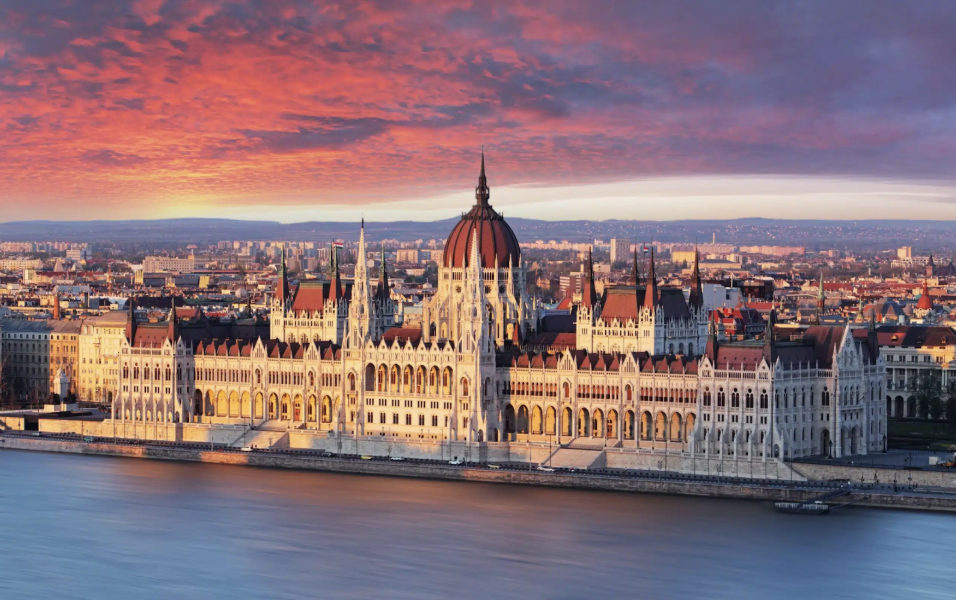
Hungarian culture is closely tied to its distinct national identity, particularly its unique language, which belongs to the Finno-Ugric family and is unrelated to most other European languages. This linguistic uniqueness reinforces a strong sense of cultural continuity and independence. Traditions such as folk music, dance, embroidery, and cuisine—known for dishes like goulash and paprika-based meals—remain important expressions of national heritage. Budapest, the capital city, stands as a cultural and historical center, famous for its grand architecture along the Danube River, historic thermal baths, and lively artistic scene.
Today, Hungary balances respect for its long and complex history with its role in modern Europe. While traditions, literature, and national symbols continue to play a central role in public life, Hungary is also shaped by globalization, EU membership, and ongoing political debate about identity, sovereignty, and Europe’s future. This blend of deep historical roots and contemporary challenges defines Hungary’s place in Central Europe today.
Banking, Money & Taxes
Usually required: passport, residence permit, lakcímkártya, Hungarian phone number
Hungarian IBAN (HU) required for salaries and rent
SIM Card & Internet
ID/passport required for SIM registration by law
Prepaid SIMs widely sold in malls, kiosks, and supermarkets
Housing Basics
Main websites:
Facebook groups: “Budapest apartments”, “Hungary expats housing”
Standard: 1–2 months deposit + first rent
Lease contract must include landlord tax number