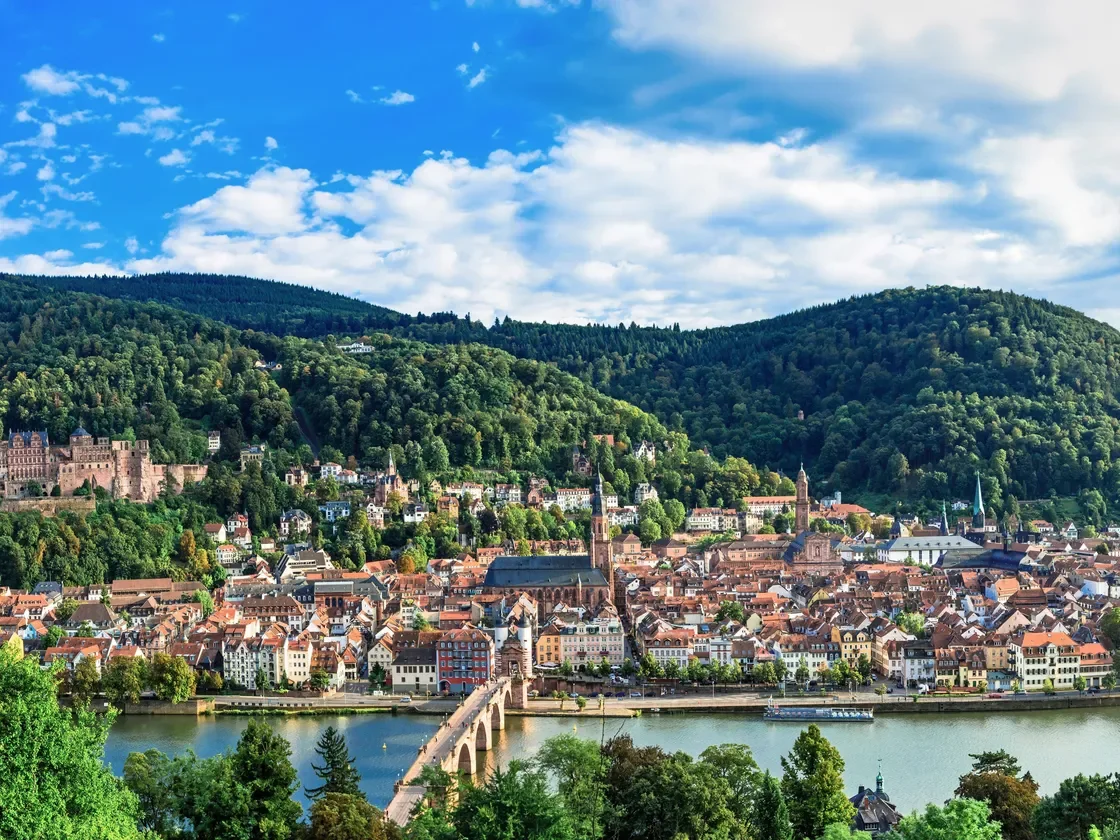
Germany Key Information
Documents and Legal Basics
Germany issues residence permits for various purposes:
Temporary residence permit (Aufenthaltserlaubnis)
EU Blue Card (for highly qualified workers)
Residence permit for skilled workers (academic and non-academic professions)
Permanent residence permit (Niederlassungserlaubnis)
Main authority responsible for immigration:
Non-EU citizens planning to stay in Germany for more than 90 days usually need a national visa (Type D) issued by a German embassy or consulate before entering Germany.
After arrival, all residents (EU and non-EU) must:
Register their address (Anmeldung) at the local registration office (Einwohnermeldeamt / Bürgeramt) within 14 days of moving in.
Apply for or collect their residence permit at the local Foreigners’ Office (Ausländerbehörde).
EU/EEA/Swiss citizens do not need a residence permit but must still register their address.
Address registration is mandatory and required for almost all administrative steps in Germany.
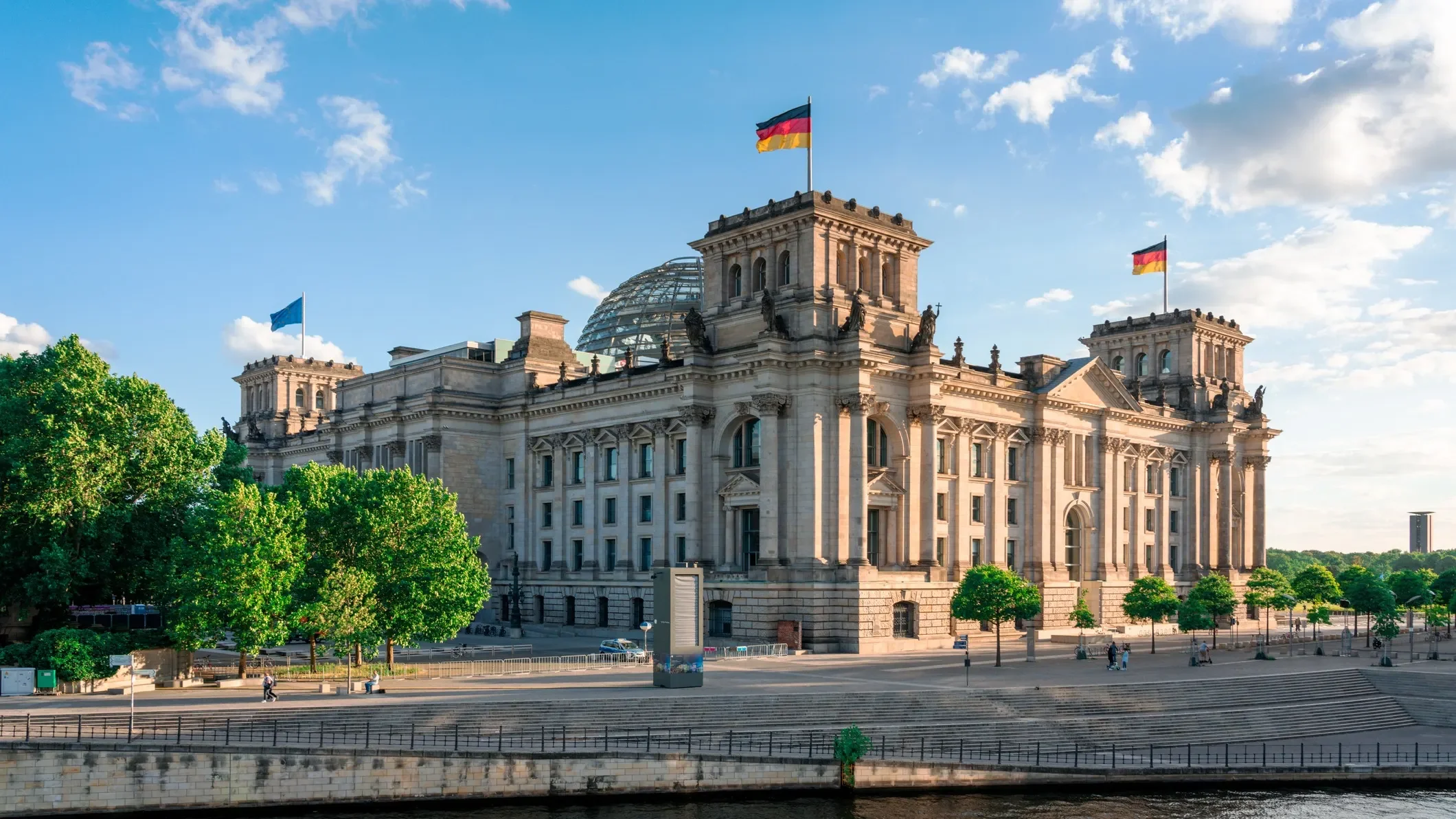
Banking and Money
Main popular banks: Deutsche Bank & Commerzbank & Sparkasse & Volksbank / Raiffeisenbank
Online / Mobile / Neo-Banks:
N26 – German digital bank, widely used by migrants.
Revolut works in Germany.
Wise can be used for international accounts and payments.
Common Requirements to Open a Bank Account:
Passport or ID
German address registration certificate (Anmeldung)
Residence permit (for non-EU citizens)
Some online banks allow account opening with limited documentation, but Anmeldung is usually required.
SIM Cards and Internet
Main Mobile Operators: Telekom Deutschland & Vodafone Germany & O2 (Telefónica)
Where to Buy SIM Cards:
Official operator stores
Electronics stores (MediaMarkt, Saturn)
Supermarkets (Aldi, Lidl, Rewe – prepaid SIMs)
Prepaid vs Contract
Prepaid: Easy to buy, flexible, common for newcomers.
Contract: Cheaper long-term, usually requires German bank account and registered address.
ID and address verification are usually required to activate SIM cards.
Housing Basics
Useful websites and platforms: immobilienscout24.de & wg-gesucht.de & immowelt.de & Facebook housing groups for specific cities
Common Scams to Avoid
Requests to pay before viewing
Fake landlords claiming to live abroad
No written contract or registration confirmation
Public Transport
Public transport in Germany is extensive and well integrated: Trains (regional and long-distance) & Buses & Trams & Metro / U-Bahn and S-Bahn in major cities

Language and Support
Free / Low-Cost German Language Courses:
Adult education centres (Volkshochschule – VHS):
Useful organisations supporting migrants:
Local migrant counselling centres (Migrationsberatung)
Official Authority Links:
Make it in Germany – official government portal
EU Immigration Portal (Germany – employed worker)
Germany is a Central European country with a history that has deeply influenced the continent’s political and cultural development. It was once a collection of independent states before unifying in 1871. In the 20th century, Germany experienced two world wars, division into East and West during the Cold War, and reunification in 1990. Since then, it has become a stable federal republic and a leading member of the European Union, playing a central role in European economic and political affairs.
German culture is shaped by a strong emphasis on education, engineering, philosophy, and the arts. The country is known for its historic cities, castles, forests, and regional traditions such as Oktoberfest. Literature, classical music, and scientific innovation are important parts of its heritage. Today, Germany combines historical awareness with a modern, diverse society and a commitment to democratic values.
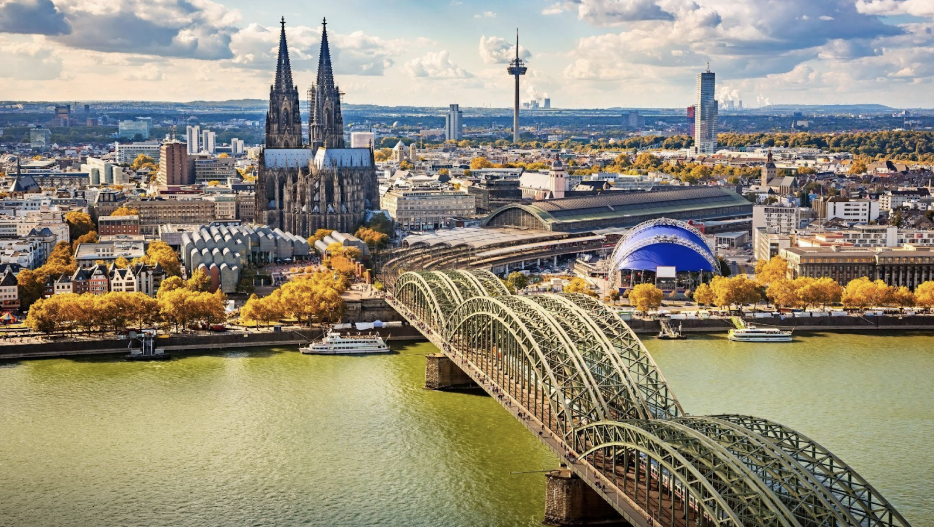
Work Permits & Legal Work
To work legally in Germany, most non-EU migrants need:
A residence permit that allows employment or an EU Blue Card.
In most cases, the job offer must be secured before arrival.
Main work-related residence categories include:
Skilled worker residence permit (academic or vocational qualification)
EU Blue Card (salary threshold applies)
Residence permit for vocational training (Ausbildung)
Job seeker visa (temporary, without immediate work rights)
Many professions require recognition of foreign qualifications.
Transport Apps and Tools:
DB Navigator (German Railways)
Local city transport apps
Google Maps – reliable for planning routes
Tickets & Passes:
Single tickets vary by city and region
Monthly passes available
Deutschlandticket (nationwide public transport pass)
Tickets are purchased via apps, ticket machines, or transport offices.
Healthcare
Public and Private Systems:
Germany has a statutory public health insurance system (GKV) and private health insurance (PKV).
Healthcare Access & Insurance Requirement:
Health insurance is mandatory for all residents, including non-EU migrants.
Public healthcare access is available once insured.
Health Insurance Cost (Approximate):
Public health insurance: approximately 14-15% of gross salary (shared between employer and employee).
EU citizens can use EHIC temporarily.Emergency Number: 112
Work Basics
Useful job search platforms: EURES – European Job Mobility Portal & Make it in Germany & Indeed Germany & LinkedIn Germany
Minimum Wage & Worker Rights
Germany has a statutory minimum wage.
The gross minimum wage is approximately €12.40 per hour (subject to updates), equivalent to around €2,000–€2,200 gross per month for full-time work.
Workers are protected by German labour law, including:
Written employment contracts
Regulated working hours
Paid annual leave
Strong employee protection and social security benefits