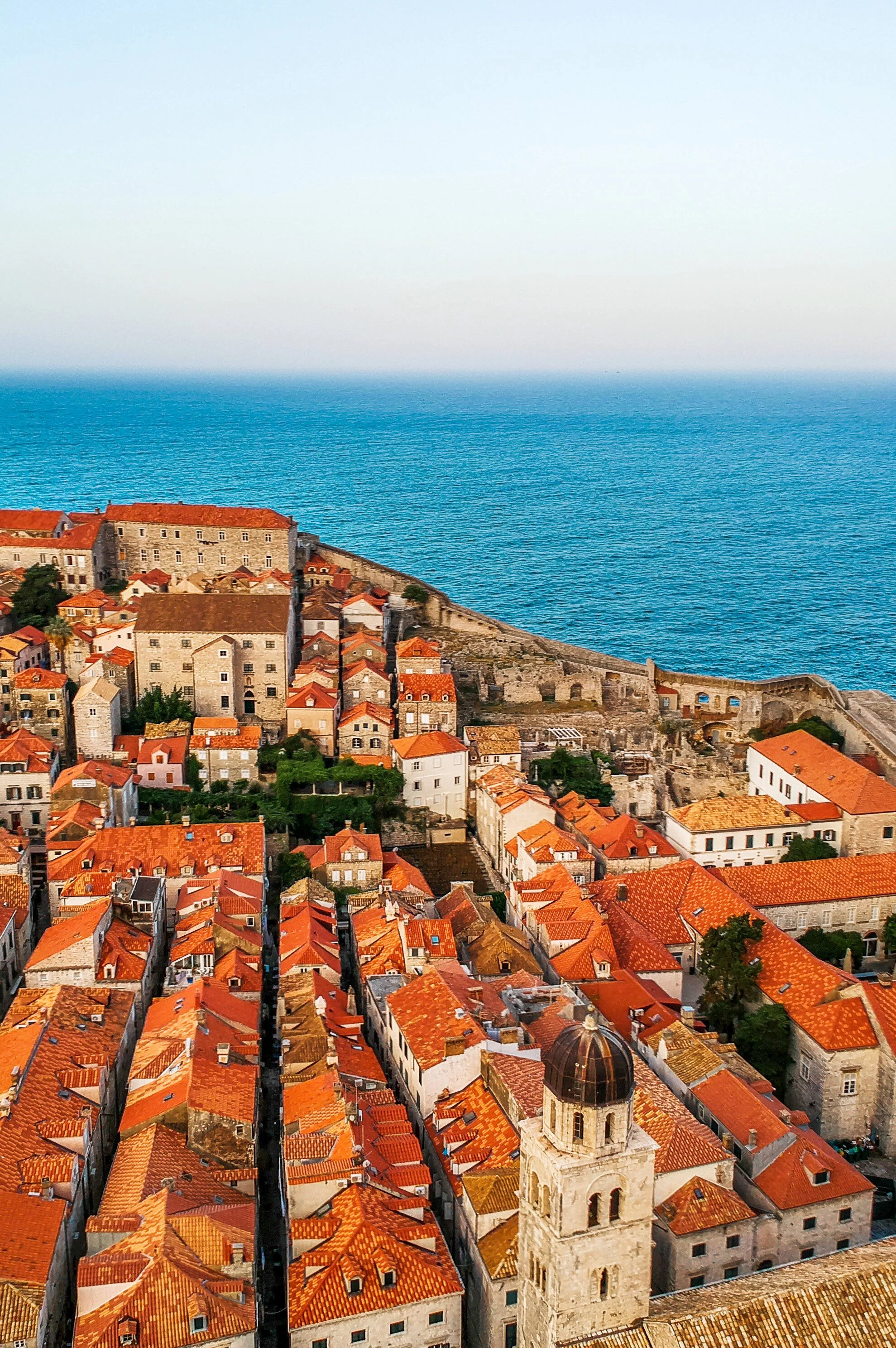
Croatia Key Information
Documents and Legal Basics
Croatia issues residence permits for various purposes:
EU Blue Card (for highly qualified workers)
Permanent residence permit (after long-term legal stay)
Official source with detailed information:
Registration Requirement
Non-EU citizens who plan to stay in Croatia for more than 90 days must obtain a long-stay visa (Type D) or directly apply for a temporary residence and work permit, depending on nationality and purpose of stay.
After arrival, foreigners must register their address with the local police administration (Ministry of Interior) within a few days (usually 3–7 days, depending on accommodation type).
EU/EEA/Swiss citizens do not need a visa, but if staying longer than 3 months, they must register temporary residence with the police.
Failure to register address or residence may result in fines.
Work Permits & Legal Work
To work legally in Croatia, most non-EU migrants need:
A residence and work permit, usually applied for by the employer.
In many cases, no separate visa is required if the residence and work permit is approved before entry.
After arrival, registration with local authorities is mandatory.
Healthcare
Public and Private Systems:
Croatia has a public healthcare system managed by the Croatian Health Insurance Fund (HZZO).
Private clinics are widely available and commonly used by foreigners for faster access.
Public Healthcare Access & Insurance Requirement:
Non-EU citizens must have mandatory health insurance to obtain and maintain a residence permit.
Public healthcare is accessible only after registration and insurance payment.
Health Insurance Cost (Approximate):
Mandatory public health insurance for non-EU residents usually costs around €70–90 per month (depending on status).
Private insurance plans may cost €40–70 per month, depending on coverage.
EU citizens can use EHIC for public healthcare access.
Emergency Number: 112
Work Basics
Useful job search platforms:
Minimum Wage & Worker Rights
Croatia has a statutory minimum wage set annually.
The gross minimum wage is approximately €840–900 per month (subject to updates).
Employees are protected by Croatian labour law, including:
Written employment contracts
Regulated working hours
Paid annual leave
Health and social security contributions
Language and Support
Local migrant and integration centres (availability depends on city)
Croatian Red Cross
International Organisation for Migration (IOM) – Croatia
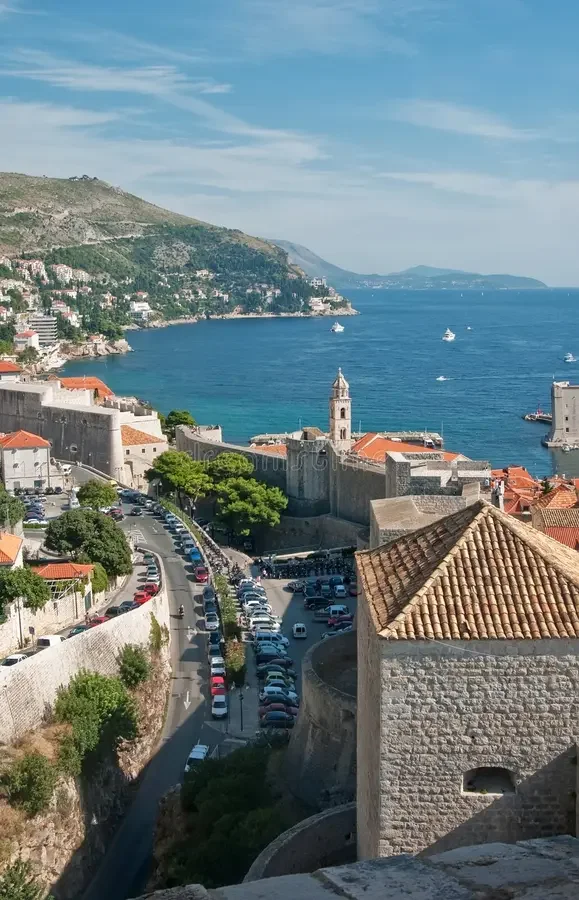
Croatia is a Southeastern European country along the Adriatic Sea with a history shaped by Roman, Venetian, Austro-Hungarian, and Yugoslav influences. Its territory includes ancient Roman sites such as Diocletian’s Palace in Split and medieval cities like Dubrovnik, reflecting centuries of cultural layering. After being part of Yugoslavia for much of the 20th century, Croatia declared independence in 1991 and later joined the European Union in 2013.
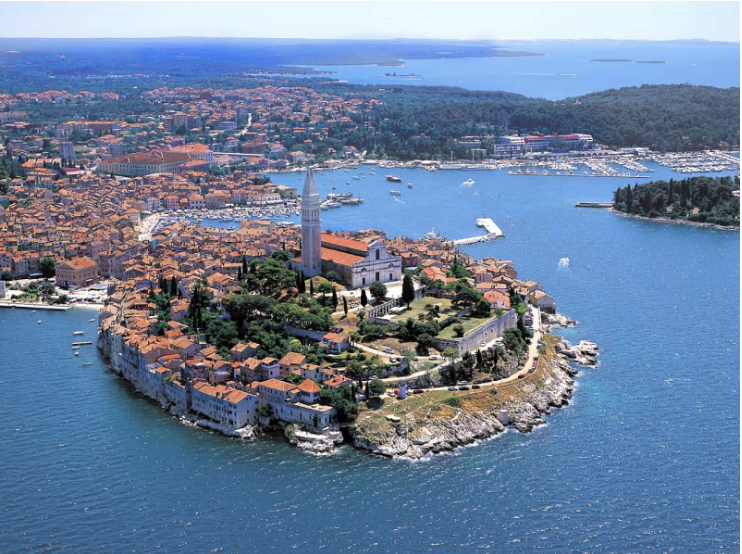
Croatian culture blends Mediterranean and Central European traditions. Coastal life is tied to the sea, islands, and stone towns, while inland regions reflect Slavic heritage, folk music, and rural customs. Catholic traditions, local festivals, and strong family ties are central to daily life. Known for its national parks, clear Adriatic waters, and historic architecture, Croatia today balances preserved heritage with a modern European identity.
Banking and Money
Main popular banks:
Zagrebačka banka (UniCredit Group) – one of the largest banks in Croatia.
Online / Mobile / Neo-Banks:
Common Requirements to Open a Bank Account:
Passport or ID
Croatian residence permit or registration certificate
Proof of address in Croatia
Personal Identification Number (OIB – mandatory)
The OIB (tax number) can be obtained from the Croatian Tax Administration.
SIM Cards and Internet
Main Mobile Operators: A1 Croatia & Telemach & Hrvatski Telekom (HT)
Where to Buy SIM Cards:
Official operator stores (A1, Telemach, HT)
Shopping malls
Kiosks (Tisak, iNovine)
A passport or ID is required to register SIM cards.
Housing Basics
Useful websites and platforms: njuskalo.hr & index.hr/oglasi
Facebook groups (e.g. “Rent Apartment Zagreb”, “Stanovi Zagreb Najam”)
Tips:
Always inspect the apartment in person before paying.
Sign a written rental agreement (important for residence registration).
Make sure the landlord agrees to register your address.
Be cautious with seasonal tourist rentals in coastal cities.
Common Scams to Avoid
Requests for advance payment without viewing
Tourist rentals are presented as long-term housing
No contract or refusal to register your address
Public Transport
Transport Apps and Tools:
Moovit – route planning
Google Maps – transport and walking routes
Tickets & Passes (Zagreb example):
Single ticket: ~0.50–1 EUR
Daily tickets available
Monthly public transport pass: ~40–50 EUR
Tickets can be bought at kiosks, ticket machines, or via mobile apps/SMS (local SIM required).