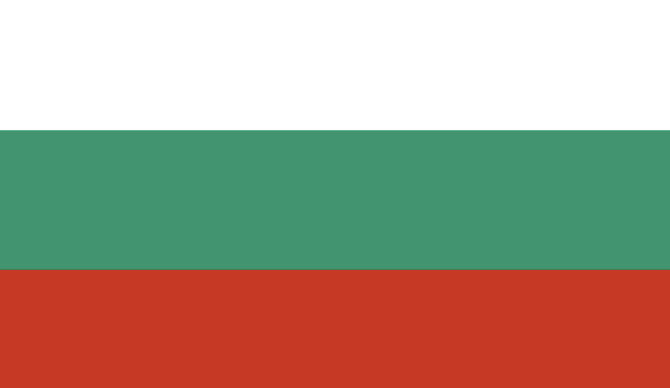
Bulgraia Key Information
Documents and Legal Basics
Bulgaria issues permits for various purposes:
EU Blue Card (for highly qualified workers)
Long-term residence permit (after 5 years of continuous legal stay)
Permanent residence permit (for specific categories)
Official source with detailed info:
Registration Requirement
Non-EU citizens must obtain a long-stay visa (Type D) from a Bulgarian embassy or consulate before arriving if they plan to stay longer than 90 days.
After arrival in Bulgaria, they must apply for a temporary residence permit at the local Migration Directorate office before the visa expires.
EU/EEA/Swiss citizens do not need a visa, but if they stay longer than 3 months, they must register their address with the local authorities and obtain a residence certificate.
Failure to register or apply on time may lead to fines or problems with residence renewal.
Work Permits & Legal Work
To work legally, most non-EU migrants need:
A work authorisation or combined residence and work permit, usually arranged by the employer before arrival.
A long-stay visa (Type D) issued for employment purposes.
After entering Bulgaria, a temporary residence permit for work. Official EU work info page
SIM Cards and Internet
Main Mobile Operators: A1 Bulgaria & Yettel & Vivacom
Where to Buy SIM Cards:
Official operator shops (A1, Yettel, Vivacom stores in malls and city centres)
Electronics stores
Some kiosks and mobile phone shops
Prepaid vs Contract
Prepaid: No long-term commitment, easy to buy, commonly used by new arrivals.
Contract: Usually cheaper per month, but often requires a residence permit and a registered address.
A passport or ID is usually required to register a SIM card.
Housing Basics
Useful websites and platforms (mostly in Bulgarian & English):
Tips:
Always view the apartment before making any payment.
Sign a formal written rental agreement.
Check that the landlord is the legal owner of the property.
Be careful with offers significantly cheaper than average market prices.
Estimated 2025–2026 market ranges (subject to change by city):
Small room or small 1-bedroom outside city centre: ~€250–€400/month
1-bedroom in city centre: ~€400–€600/month
(Prices vary by city and region)
Common Scams to Avoid
Requests for large upfront deposits without a signed contract
“Pre-rent” offers without viewing the apartment
Pressure to pay immediately in cash
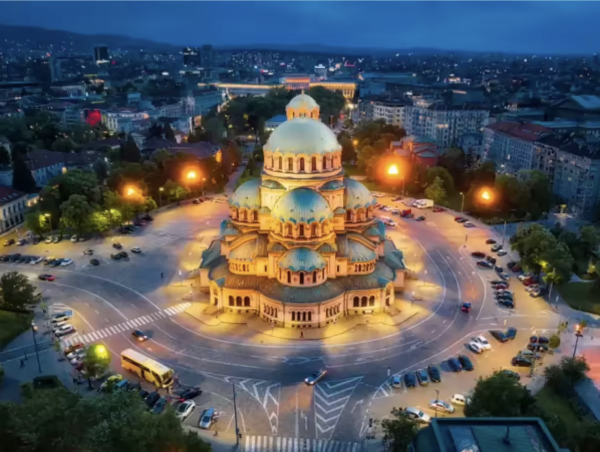
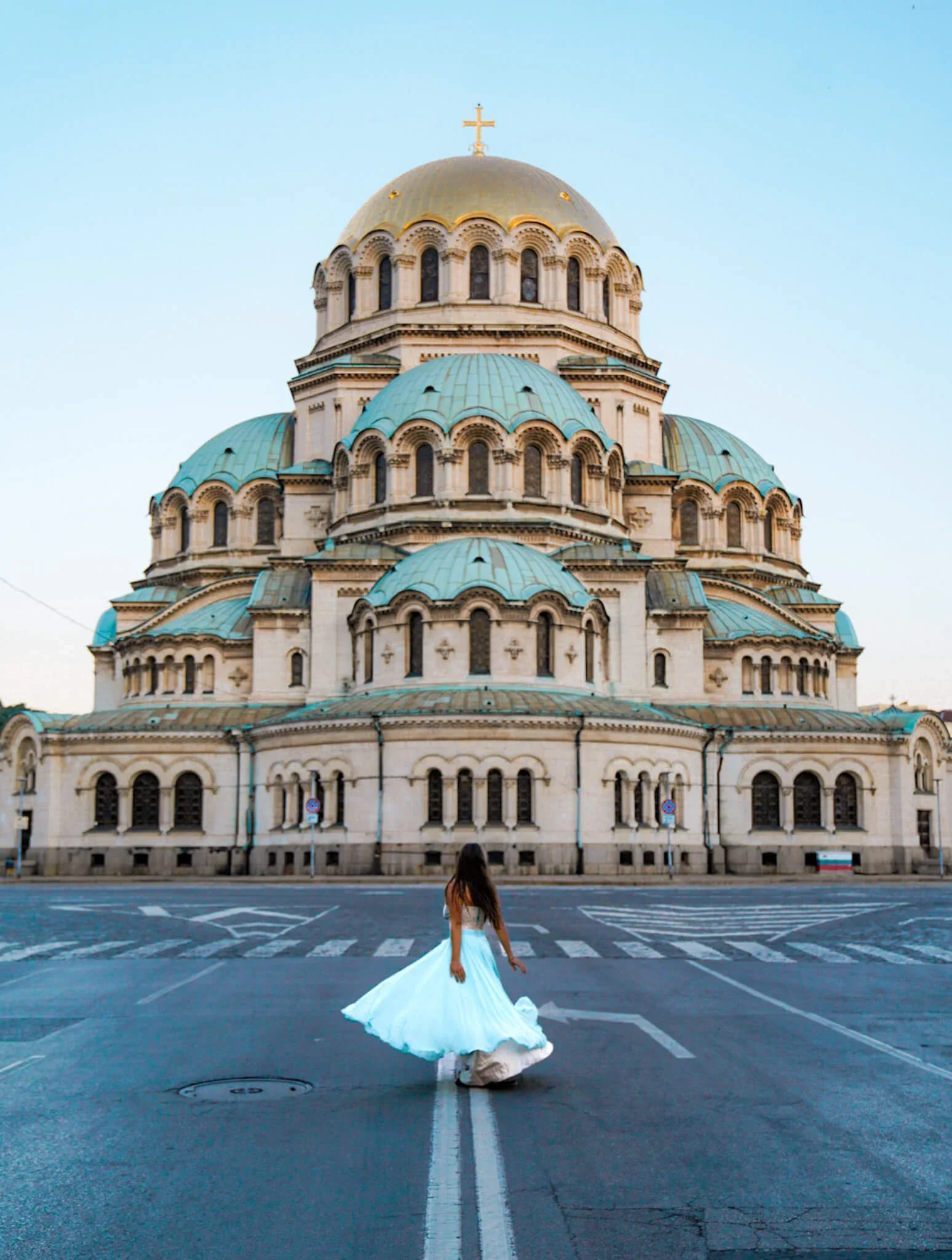
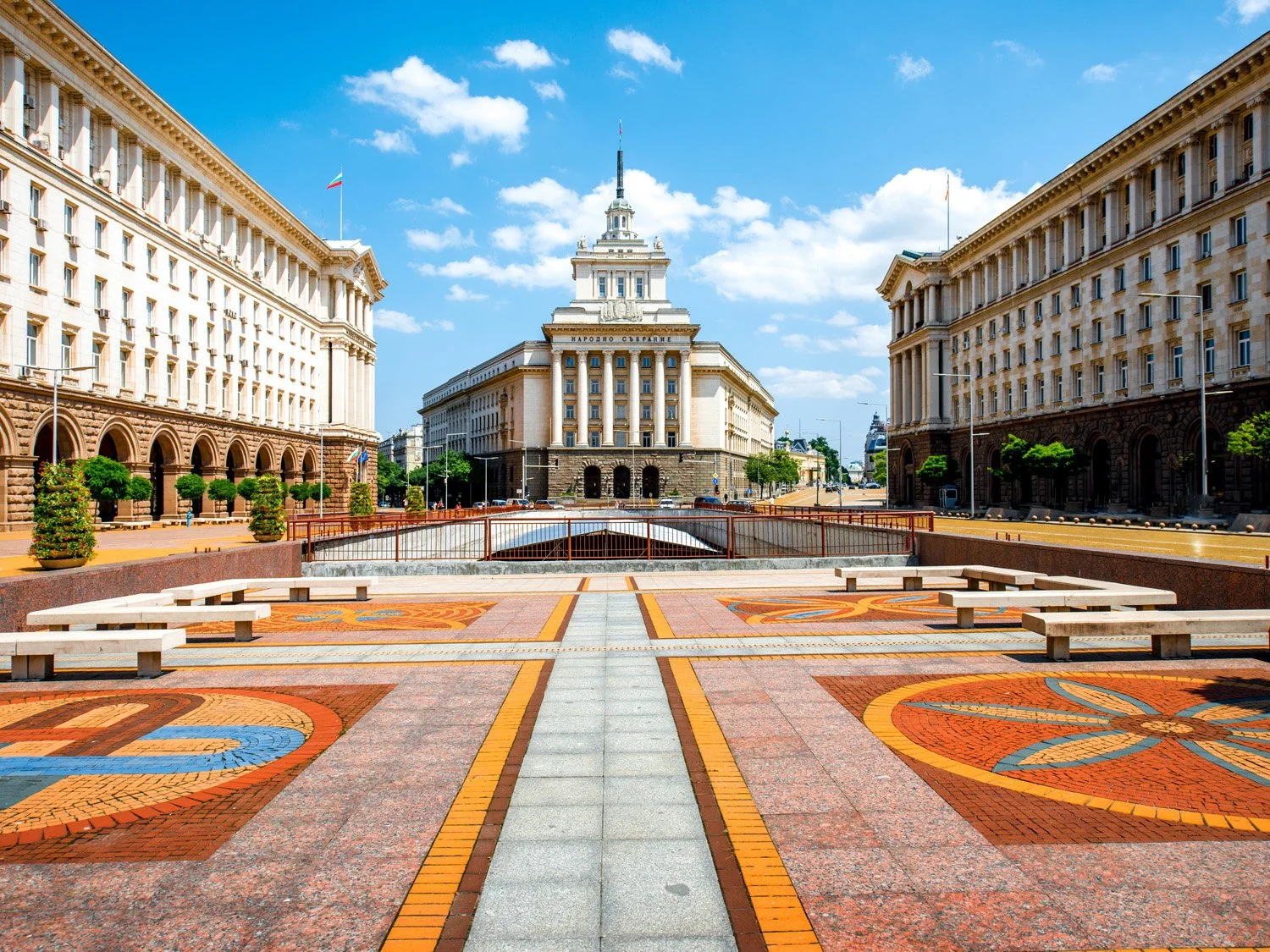
Bulgaria is a Balkan country in Southeastern Europe with a history that dates back over a thousand years. It was one of the earliest Slavic states in Europe and played a key role in the spread of the Cyrillic alphabet and Orthodox Christianity. Over the centuries, Bulgaria experienced periods of Byzantine and Ottoman rule before regaining independence in the late 19th century. After World War II, it became a socialist state under Soviet influence until the fall of communism in 1989. Bulgaria joined the European Union in 2007.
Bulgarian culture is deeply rooted in folklore, music, and traditional dance, with colorful costumes and seasonal festivals still widely celebrated. The country is known for its monasteries, mountain landscapes, and Black Sea coastline. Orthodox Christian traditions, local crafts, and a strong connection to rural life remain important parts of national identity. Today, Bulgaria combines ancient heritage with a growing modern European presence.
Public Transport
In major cities (example Sofia): Metro (subway – Sofia only) & Buses & Trams & Trolleybuses
Transport Apps and Useful Tools:
Moovit – public transport routes and schedules
Google Maps – works well for transport planning
Sofia Urban Mobility Center (for Sofia)
Tickets & Passes
Single ticket: ~1–2 EUR
Daily / multi-ride tickets available
Monthly public transport pass: ~25–30 EUR (depending on city)
Tickets can be purchased from machines, kiosks, or via transport cards/apps.
Healthcare
Public and Private Systems:
Bulgaria has a public healthcare system funded by the National Health Insurance Fund (NHIF).
Private clinics are widely used, especially by foreigners, and usually offer faster service and English-speaking staff.
Public Healthcare Access & Insurance Requirement:
Non-EU citizens can access public healthcare only if they have valid health insurance and are registered in the system.
Health insurance is mandatory for obtaining and maintaining a residence permit. Health Insurance Cost
EU citizens can use EHIC for access to public healthcare.
Emergency Number: 112
Work Basics
Useful general platforms where jobs in Bulgaria are listed:
Minimum Wage & Worker Rights
Bulgaria has a statutory minimum wage set annually by the government.
As of the most recent update, the gross minimum wage is approximately €470–500 per month (subject to annual changes).
Workers are protected by Bulgarian labor law, including:
Written employment contracts
Regulated working hours
Paid annual leave
Social security and health insurance contributions
Language and Support
Useful organisations that provide support for migrants:
Local NGOs and migrant support centres (availability depends on city)
Official Authority Links: